
Bitcoin Indexers Explained: Electrs, Fulcrum, and Choosing the Right Tool

In this article:
Running your own Bitcoin node is a foundational step toward self-sovereignty. Whether you run Bitcoin Core or Bitcoin Knots, your node independently verifies the Bitcoin blockchain and enforces the rules you choose.
But a full node alone isn’t enough for most wallets.
That’s where Bitcoin indexers come in.
What a Bitcoin Node Does (and Doesn’t Do)
A Bitcoin node like Bitcoin Core or Knots:
- Downloads and verifies the entire blockchain
- Enforces consensus rules
- Relays valid transactions and blocks
What it does not do efficiently is answer wallet-style questions like:
- “Which transactions belong to this wallet?”
- “What’s the balance of these addresses?”
- “Has this transaction confirmed?”
Bitcoin Core intentionally avoids this functionality to remain robust and consensus-focused.
What Is a Bitcoin Indexer?
A Bitcoin indexer runs alongside your node and:
- Reads blockchain data from Bitcoin Core / Knots
- Builds indexes mapping addresses and scripts to transactions
- Exposes this data through a wallet-friendly interface (typically the Electrum protocol)
In short:
A Bitcoin indexer is the bridge between your node and your wallet.
Without an indexer, wallets usually connect to third-party servers, leaking privacy and reintroducing trust.
The Electrum Protocol (Why Indexers Exist)
Many popular wallets — Sparrow, Electrum, BlueWallet, and others — use the Electrum protocol to query blockchain data.
Bitcoin Core does not speak this protocol.
Indexers like Electrs and Fulcrum exist to:
- Translate blockchain data into a format wallets understand
- Do so using your node as the source of truth
Electrs vs Fulcrum: Two Approaches to the Same Problem
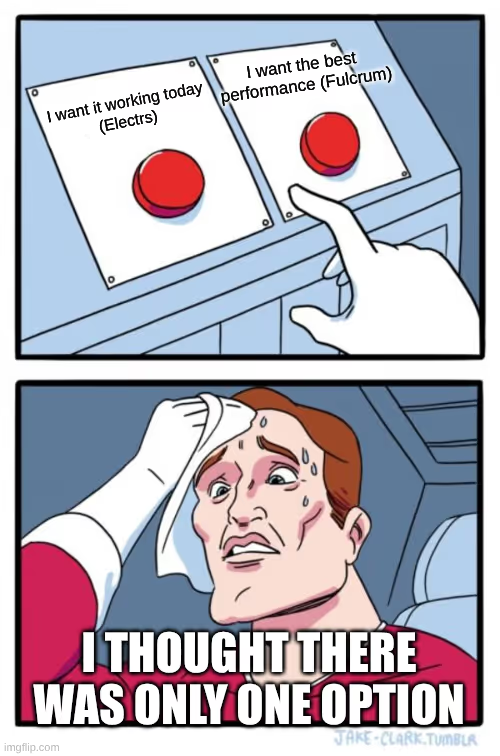
Electrs and Fulcrum serve the same role and are protocol-compatible, but they make very different trade-offs.
Electrs
- Written in Rust
- Designed to be lightweight and efficient
- Fastest time to first usability
- Modest disk, RAM, and CPU requirements
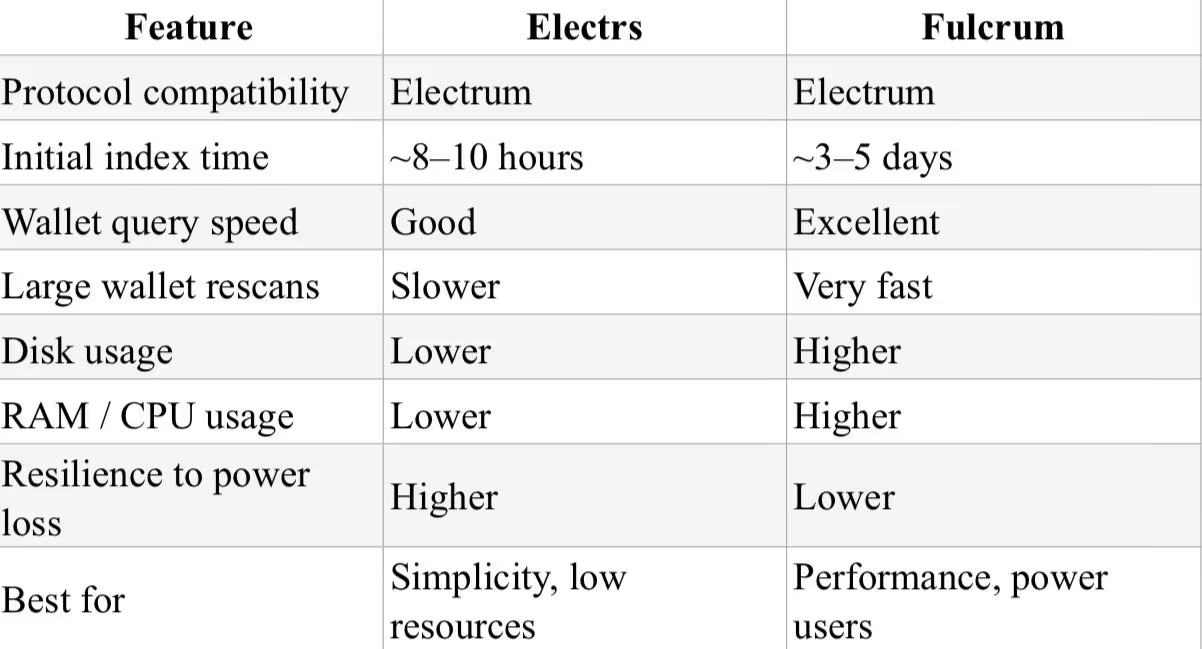
Electrs typically becomes fully usable within 8–10 hours of indexing and performs well for most users.
Fulcrum
- Written in C++
- Designed for speed and scalability
- Excels with large wallets and frequent queries
- Higher disk and memory usage
Fulcrum can take several days to fully index, but once complete it delivers dramatically faster wallet queries and rescans.
Real-WorldTrade-offs That Matter
Time to First Use
- Electrs: usable the same day
- Fulcrum: requires patience upfront
Wallet Performance
- Electrs handles small-to-medium wallets well
- Fulcrum shines with:
- Large xpubs
- Frequent rescans
- Heavy Sparrow usage
- Multiple wallets querying the same server
DiskSpace & Resources
- Electrs uses the least additional disk space
- Fulcrum uses the most, sometimes tens of GB more
- Fulcrum benefits from faster storage and more RAM
Comparison Table
What About Other Indexers?

Specialized Indexers
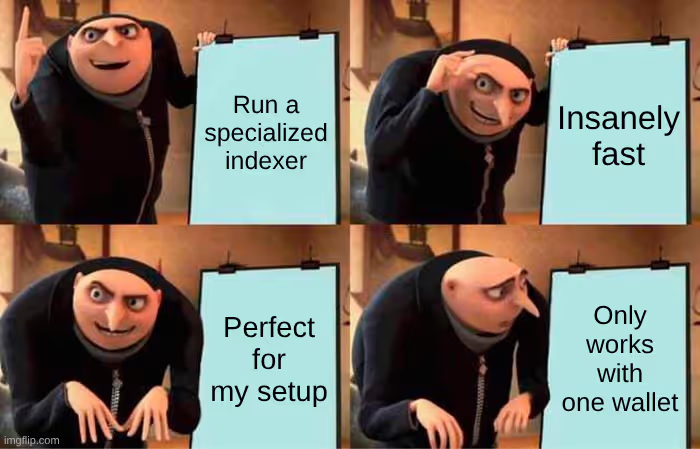
Some indexers are forks of Electrs designed for specific wallet ecosystems. These can offer extreme performance for their intended use case but typically:
- Work only with one wallet or coordinator
- Are not broadly protocol-compatible
- Trade flexibility for specialization
They are powerful tools — but narrow by design.
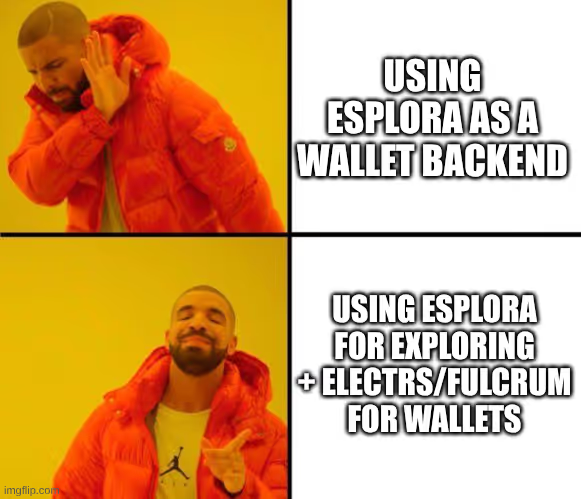
Esplora/ Mempool Indexers
These power block explorers and mempool visualizations. They are:
- Excellent for human-facing exploration
- Not designed to serve wallets
- Not replacements for Electrs or Fulcrum
Bitcoin Core vs Bitcoin Knots (Where Indexers Fit)
Whether you run:
- Bitcoin Core (reference implementation), or
- Bitcoin Knots (Core + additional policy controls),
Indexers:
- Read from your node
- Do not affect consensus
- Do not change Bitcoin’s rules
Your node defines the rules. Your indexer helps wallets read the outcome.

Who Should Choose What? (Decision Guide)
Choose Electrs if you:
- Want fast setup and simplicity
- Run modest hardware
- Have small-to-medium wallets
- Value resilience over peak performance

Choose Fulcrum if you:
- Have large or active wallets
- Use Sparrow heavily
- Expect frequent re-scans a
- Want the fastest possible wallet experience
- Are building long-term infrastructure
There is no wrong choice — only trade-offs.
The Full Stack, Simplified
Bitcoin Network →Bitcoin Core / Knots (verification & rules) → Electrs or Fulcrum (indexing & queries) → Wallet (keys &transactions)
Each layer does one job — together they eliminate third-party trust.

Why Indexers Matter
Running your own indexer:
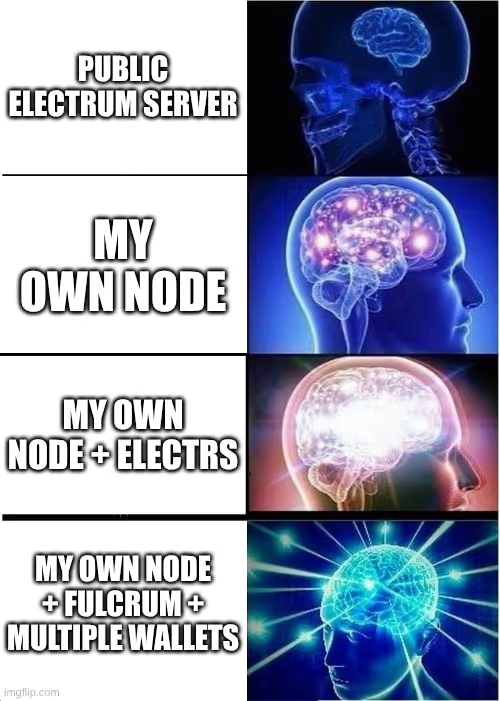
- Preserves wallet privacy
- Removes reliance on public infrastructure
- Improves reliability
- Completes the promise of running your own node
Without an indexer, your wallet still leaks information — even if you run a node.